Why Anonymity is Crucial: Testing Your Proxy’s Disguise
of the digital realm, where data reigns supreme, the significance of anonymity is paramount. Whether you are a web scraper, a data miner, or simply someone looking to maintain privacy while browsing, the necessity for dependable proxy services has never been more crucial. Proxies act as intermediaries, allowing individuals to navigate the internet without revealing their identity, however, not every proxy is of the same quality. There are various types of proxies, including HTTP, SOCKS4, and SOCKS5, each possessing unique advantages and disadvantages. Knowing how to assess your proxy's stealth is crucial for maintaining the secrecy of your online actions.
There are a plethora of tools designed for scraping proxies and verifying their efficiency, the challenge of identifying the most effective methods can be overwhelming. Many individuals search for free proxy scrapers or speedy proxy checkers to create effective proxy list s for their endeavors. However, using free proxies can pose risks, like unstable speeds and the possible exposure of your sensitive data. Consequently, it is essential to know how to check proxy speed and test for anonymity. In this article, we will discuss the best strategies for proxy scraping, the range of verification tools available, and the distinctions between private and public proxies to assist you in selecting the right options for your requirements. Whether you are looking for a comprehensive proxy solution for automation, data extraction, or simply browsing, gaining mastery over these tools can vastly elevate your online encounters.
Comprehending Proxies
Proxy servers serve as intermediaries between users and the web, facilitating inquiries and data transfers. Whenever a client connects to a proxy server, their requests are sent through it before reaching the intended web resource. This method conceals the user's true IP address, adding a level of concealment to their online activities. These servers are primarily used to boost privacy, strengthen security, and overcome geographical barriers.
There are various types of proxy servers, such as Hypertext Transfer Protocol, SOCKS version 4, and SOCKS5, each serve specific needs and purposes. Hypertext servers are designed for web traffic, whereas SOCKS can handle various forms of data flows, including email communications and torrents. Understanding the differences between these types is crucial for choosing the appropriate proxy for your tasks, be it it is web scraping, online browsing, or automated processes.
In addition to anonymity, these servers can improve connection speeds, filter content, and control data flow. Although public proxies offer free options, private proxies typically offer greater efficiency and security. Understanding how to choose the appropriate server—based on elements like speed, anonymity, and usage—can significantly impact your internet experience and the effectiveness of tasks involving web scraping or information gathering.
Types of Proxy Servers
Proxies can be classified into numerous types based on their protocols and features. The most prevalent categories are Hypertext Transfer Protocol and Socket Secure proxies. HTTP proxy servers are built specifically for web traffic, and are suitable for activities like data extraction, where the focus is on Hypertext Transfer Protocol queries. They assist in browsing and data fetching but may not support all protocols. Conversely, SOCKS proxies are adaptable, handling any type of data flow, including HTTP, FTP, and others. They come in various forms, with Socket Secure version 4 and Socket Secure version 5 being the most widely used, providing choices for various requirements.
A further important classification is based on the degree of anonymity. Public proxy servers do not mask the user's IP address and are often used for website filtering. Hidden proxies, while hiding the client's Internet Protocol address, may still reveal that a proxy is being used. Highly anonymous proxies, commonly referred to as premium proxy servers, provide the highest level of anonymity, hiding the client's Internet Protocol address and not indicating that a proxy server is being utilized. These types are important for users who value their privacy during internet activities.
Finally, there are also public and private proxies. Public proxy servers are accessible for free to anyone but often face from reliability issues and can be slow due to high user loads. In comparison, private proxy servers, often paid, offer superior performance, security, and rapidity, making them perfect for professional data extraction and automation tasks. Grasping the diverse types of proxies helps users pick the suitable tools based on their specific requirements and goals.
Proxy List Scrapers and Checkers
Proxy harvesters are vital instruments for collecting collections of proxies from multiple sources on the web. These tools simplify the task of locating proxies, relieving users from the hassle of manual searching. By using a trustworthy proxy server scraper, you can efficiently compile a substantial list of complimentary proxy servers, which can then be employed for web scraping, browsing in anonymity, or performing other activities that necessitate proxies. The best complimentary proxy scrapers offer speed and ease of use, allowing users to quickly compile a inventory of proxies that satisfy their needs.
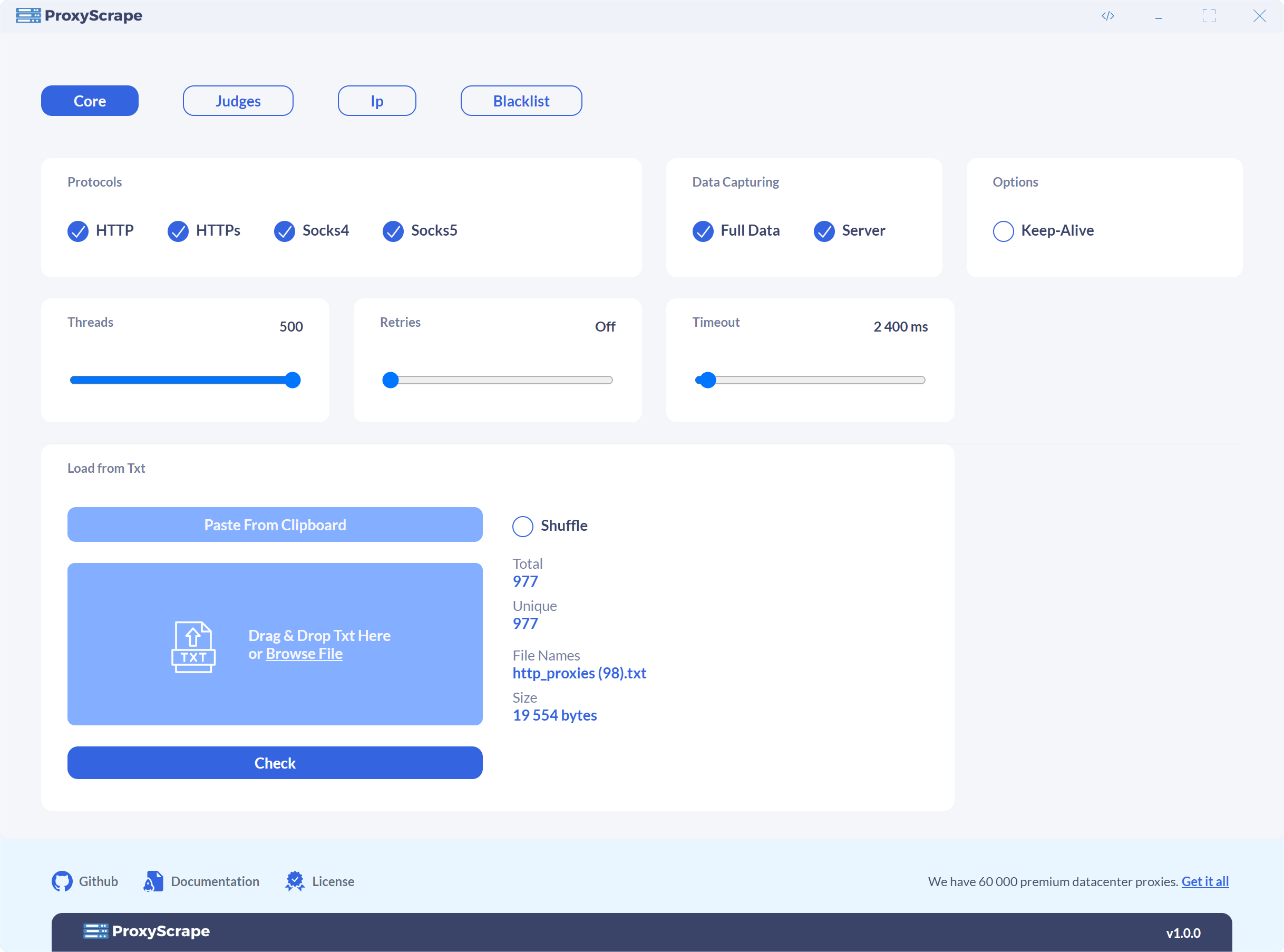
Once you have a list of proxies, the next phase is to confirm their operability and anonymity. This is where proxy checkers come into action. A reliable proxy checker can verify whether a proxy server is operational and evaluate its anonymity level. Some tools can differentiate between categories of proxies, such as Hypertext Transfer Protocol, Socket Secure version 4, and Socket Secure version 5, allowing you to select the most suitable option for your requirements. By validating the proxy servers, you can optimize your data extraction efforts and prevent mistakes that could arise from utilizing unreliable proxy servers.
To gain the maximum from your data extraction efforts, combining a proxy scraper with a strong proxy checker is essential. This mixture not only secures that you are using high-quality proxy servers but also guarantees they are fast and capable of managing your automation tasks effectively. By utilizing software like Proxy Storm, users can navigate the complexities of proxy management while concentrating on the data extraction tasks at hand, streamlining their workflow and enhancing total performance.
Testing Proxy Obfuscation
In the context of utilizing proxies, comprehending their anonymity level is important for effective data gathering and surfing. There are typically 3 types of proxies you might come across: unprotected, masked, and high-end. Clear proxies show your actual IP address while monitoring your requests. Anonymous proxies mask your IP address but may still recognize themselves as proxies. High-end proxies, on the other hand, provide the highest level of anonymity by not disclosing your identity or the fact that you are employing a proxy at all. Knowing the differences between these proxy types helps you choose the appropriate one for your purposes.
To test proxy anonymity, you can use different online tools and services specifically created for this goal. These tools will indicate whether your proxy changes your IP address and if it leaks any data about it. A reliable method is to visit an IP checker site while attached through the proxy and compare the displayed IP address with your real IP address. If they correspond, the proxy is not properly hiding your information. For improved verification, some tools go deeper by checking metadata and other identifiers that might leak data.
Frequent testing of your proxies for anonymity is vital, especially if you are utilizing them for sensitive tasks like data extraction or bypassing web restrictions. Irregular results may signify that certain proxies are not functioning as intended. Keeping track of your proxy's efficiency through multiple checks assures that you employ only the highest quality proxies, allowing you to simplify tasks confidentially and efficiently while maintaining your anonymity online.
Best Practices for Proxy Usage
As you are using proxies for data extraction, it is essential to select reliable proxies that meet your specific needs. Private proxies tend to offer superior performance and privacy over public ones, which might be overloaded and unreliable. Investigate trusted proxy sources and think about investing in premium options if your project needs reliable and fast access.
It is equally important to test the proxies before using them to ensure they are functional and meet your speed criteria. Use a proxy checker or a proxy verification tool to evaluate the performance and privacy level of all proxy. Regularly testing your proxies will help maintain your scraping efficiency and avoid potential blocks from target websites.
Finally, be aware of the lawful and morally responsible aspects of web scraping. Always respect the terms of service of the websites you are extracting data from, and consider implementing request throttling and user-agent rotation techniques alongside your proxy usage. This approach not only helps maintain your anonymity but also reduces the risk of being flagged or banned by the target site.
Paid versus Free Proxy Services
In the process of selecting proxy services for web scraping and automation, one of the primary considerations is whether to use free or paid proxies. Free proxies can be an attractive option, especially for enthusiasts or those just get started. They require little financial investment, making them accessible to anyone interested in data extraction or utilize proxy options. Nonetheless, free proxies often come with notable limitations, such as reduced speeds, inconsistent uptime, and a higher risk of being restricted or blacklisted by target websites due to their communal nature.
Conversely, premium proxies typically offer a higher quality and reliable experience. They come with private IP addresses that allow for better anonymity and lower likelihood of getting banned from websites. Paid services often provide various geographical options, higher speeds, and enhanced security features. Additionally, numerous commercial proxy providers offer solutions for proxy collection and checking, ensuring that users can verify the integrity and privacy of their proxies before investing in them.
In conclusion, the decision between complimentary and paid proxies should factor in the user's specific needs and goals. For occasional users, free proxies may suffice for minor data collection. However, for intensive projects, especially those requiring quickness and dependability, investing in a quality paid proxy service is often justifiable by the cost. Companies and professionals engaged in data extraction or needing top-notch proxies for SEO tools will discover that premium solutions provide better performance and confidence in the long run.
Applications for Proxy Management
Managing your proxy servers well is crucial for ensuring maximum efficiency and security while collecting data or streamlining tasks online. Different applications can help in the process, providing capabilities that enable you assemble, verify, and maintain proxy lists. A trustworthy scraping tool can streamline the gathering of complimentary and high-quality proxies, enabling users to have new options immediately available. Tools like Another proxy tool make it easier to extract proxies with speed and accuracy, allowing for seamless integration into your data collection activities.
Once you have collected your proxy servers, it’s essential to check them using a robust verification tool. The top checking tools not only tell you if a proxy is working but also verify its performance and anonymity level. This ensures that you are using proxies that not only operate properly but also provide the level of security you need. Find tools that can support both Hypertext Transfer Protocol and Socket Secure proxies, as they cater to different application needs, enhancing your general efficiency.
Continuous oversight and supervision of your list of proxies are critical. Applications that offer proxy verification features help you keep a organized and efficient list, filtering out slow or non-responsive proxies. For those looking to streamline the process, combining these applications with your web scraping workflows enhances productivity. Regardless of whether you are using complimentary or premium servers, having availability to the best tools for data extraction will ultimately result in more effective and productive results.